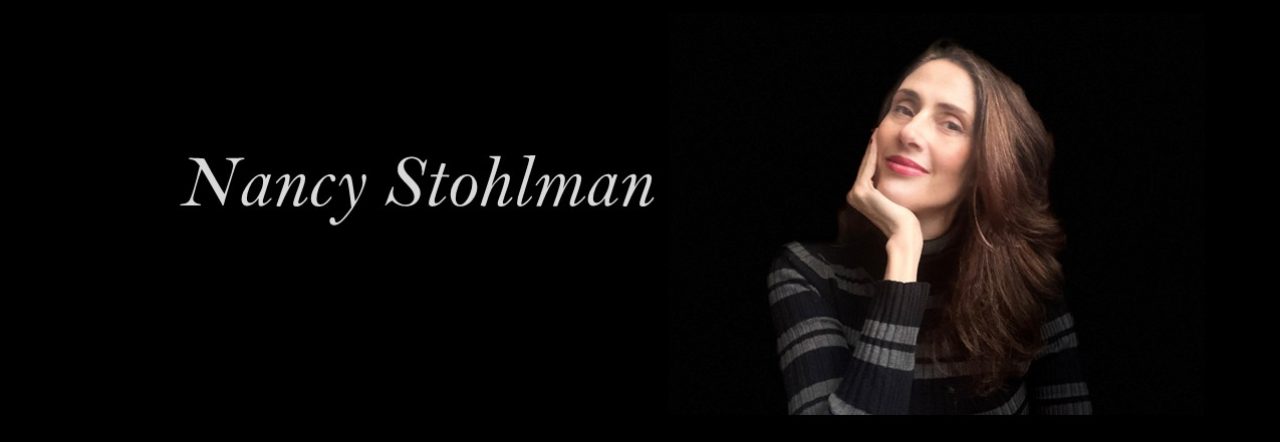
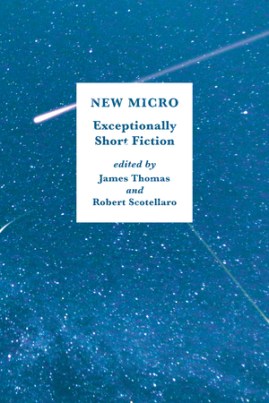
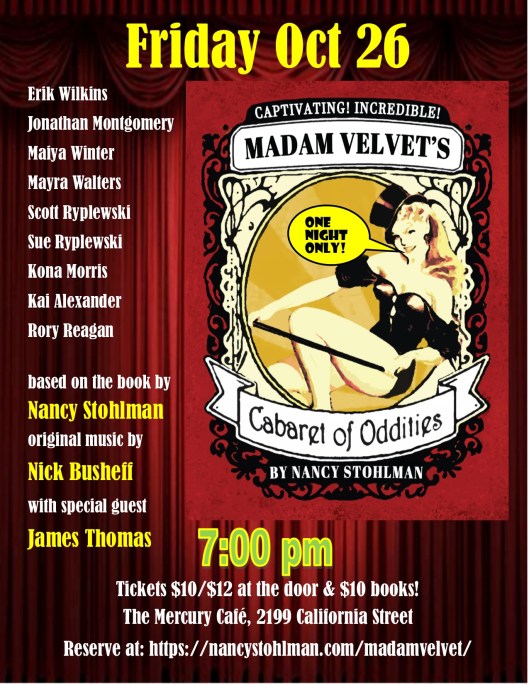
Meg Pokrass interviews Nancy Stohlman about her stories in New Micro (W.W. Norton & Co., 2018) and her new forthcoming flash fiction collection, MADAM VELVET’S CABARET OF ODDITIES. T his interview is part of New Flash Fiction Review’s ongoing New Micro Interviews series
MP: In “Death Row Hugger” I admire how it is written with a great deal of humor. There is that wonderful, fantastical line about prisoners eating steak or lobster or smoking Cuban cigars on their last day, and yet there is a strong feeling of sadness about the story, particularly in the end. How did this piece come about? Can you tell us anything about your relationship to creating comic/tragic stories?
NS: “Death Row Hugger” arrived initially as a dream—many of my pieces do. In the dream I had this strange but very strong sense of loss: I was in a very dark room and I was hugging someone and there was this very sad and almost desperate quality to the hug. I woke up still feeling this hug tingling on my skin and how unsettling it was and quickly jotted down whatever I could remember in the notebook by my bed. This story was one of those special gifts where the whole story rises out of the dream ether fully formed.
In terms of comic/tragic stories—that’s an interesting question because I don’t do it intentionally—I think the world is funny and tragic and raw and beautiful and so maybe the ideas that strike me as worthy of actually writing down always naturally reflect those qualities.
MP: In “I Found Your Voodoo Doll on the Dance Floor After Last Call” there’s a mystical quality. The way you bring in the voodoo doll is very visual and disturbing. We’re looking at it just as your speaker is, and as the story rolls on, we realize that she is becoming the voodoo doll, rather than the other way around. Here, you open the story up with the doll as metaphor in the first sentence. How important is the first sentence in microfiction?
NS: The first sentence is key in every piece of writing, from fiction to journalism. So on one level the first sentence in flash or micro is not more or less important than the first sentence in a novel—except in a novel we might give an author a paragraph or even a whole page before we stop reading. In microfiction, the paragraph is the entire story. So you really have to jump in and not hold back.
In “I Found Your Voodoo Doll…” the title is a setup into that first sentence, so the story really begins before the story begins, even. Because we are working in such constrained spaces, flash writers have discovered how to make use out of every possible space.


 Nancy Stohlman